.webp)
There’s a better way for communities to solve their problems.
It’s called a Democracy League, and it’s a simple idea: local leaders ask community members to think through big problems. Residents come together, deliberate the issue, and build consensus on the best way forward. Then, local government turns their ideas into action.
It’s not a club or committee. It’s more like a habit. A long-lost habit of self-government, making a comeback.
Less fighting!
More fixing.
The usual tools of debates and elections aren’t helping us tackle our toughest challenges. The loudest voices dominate, trust between residents and leaders erodes, and big problems go unsolved.
Democracy Leagues are a new kind of civic institution grounded in the oldest democratic idea: We, the People, can solve our own problems.
.png)
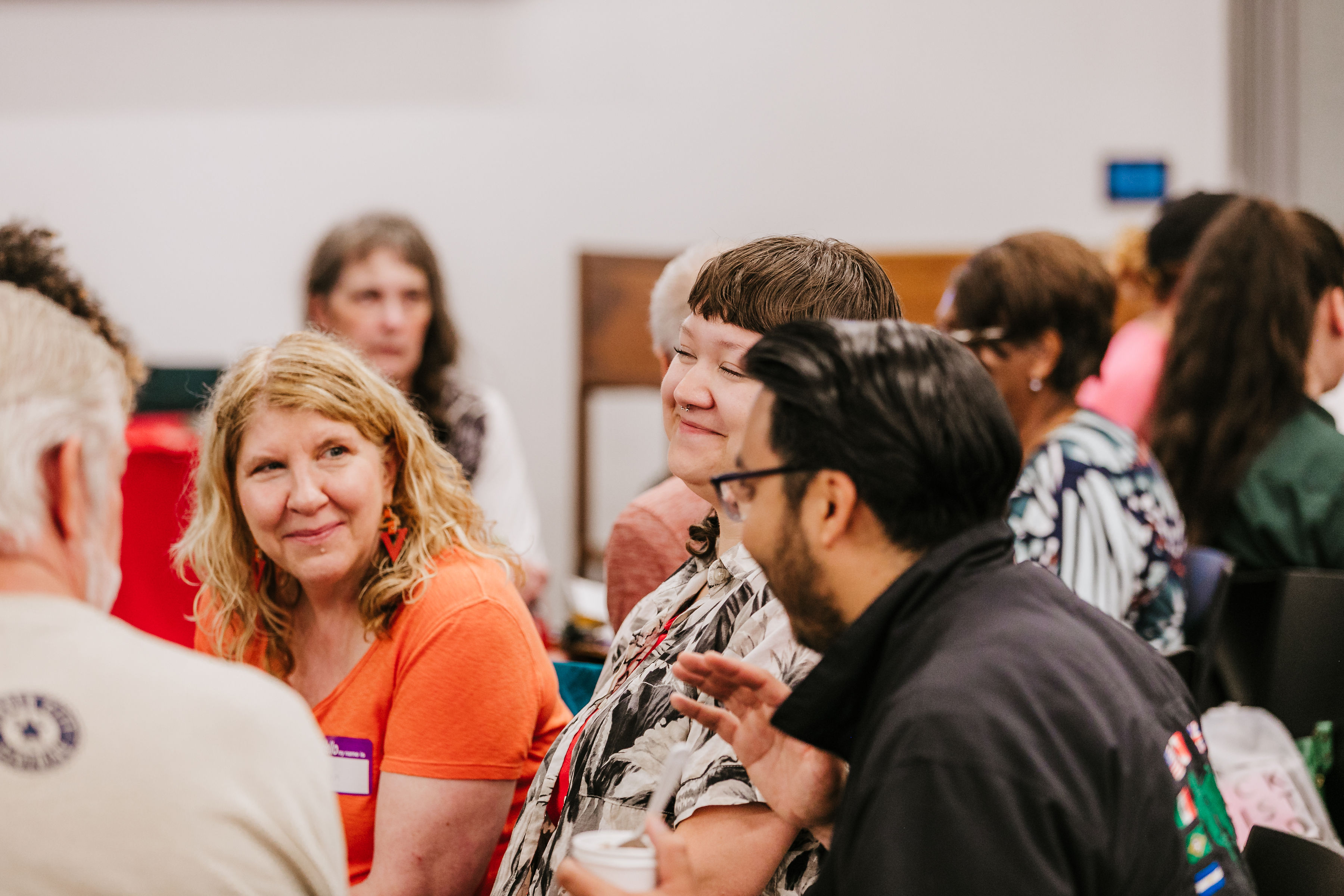
A new old tool:
Civic Assemblies
Remember that whole “government by the People” idea? This is that, but with snacks and better facilitation.
Unlike elected officials, Assembly members don’t answer to donors, party leaders, or the media. They’re residents who come together to learn, deliberate, and find answers to hard problems.
People
Civic Assemblies aren’t town halls with the usual suspects. Assembly delegates are selected by lottery to reflect the demographics and politics of the community.
To make participation possible, members receive support like stipends, childcare, meals, transportation, and translation.
Process
Assembly members learn the issue from all sides, hear from experts, and work together to understand what’s really at stake.
With trained facilitators guiding the way, they listen, deliberate, and weigh tradeoffs, building toward a broad consensus.
Power
Civic Assemblies aren’t just talk. From the start, local leaders commit to seriously considering the Assembly’s recommendations, and to explaining their decisions publicly.
Why? Because leaders who want to get things done know it’s easier when the public is your partner. And when the public is your partner, the public wants to keep you in office.
Unify Akron: a Civic Assembly in Action
After a busy year of building local partnerships, earning support from community leaders and elected officials, and inviting residents to step forward, Unify Akron launched its first Civic Assembly in 2026.
Residents of Akron, Ohio, came together to tackle a critical local challenge: expanding access to safe, well-maintained, and affordable housing.
This isn’t a pilot on paper. It’s a Democracy League taking shape in real time, with real residents, real leaders, and real decisions on the table.
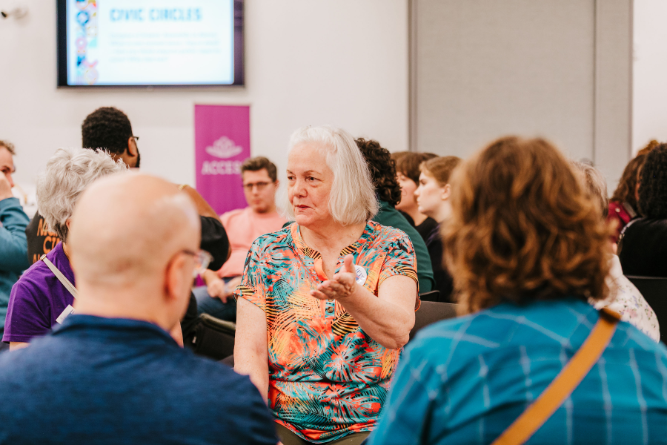
Before Akron, there was Montrose, Colorado, where we helped residents run a Civic Assembly tackling the community’s childcare shortage.
.png)
Is a Democracy League right for your community?
We’re looking for local leaders ready to take the next step:

You want more residents who are more representative and well-informed involved in shaping local decisions.
You have civic leaders willing to champion a cooperative approach to problem solving.
You’re facing pressing issues where public consensus could move the needle.
You’re committed to going beyond a single event to building collaborative civic culture long term.
With local philanthropy, you’re ready to start investing (primarily locally) to make this happen.