.webp)

Back to all
Unify Akron: Building the Civic Assembly on Housing Together

Morgan Lasher
Nov 6, 2025
Nov 6, 2025


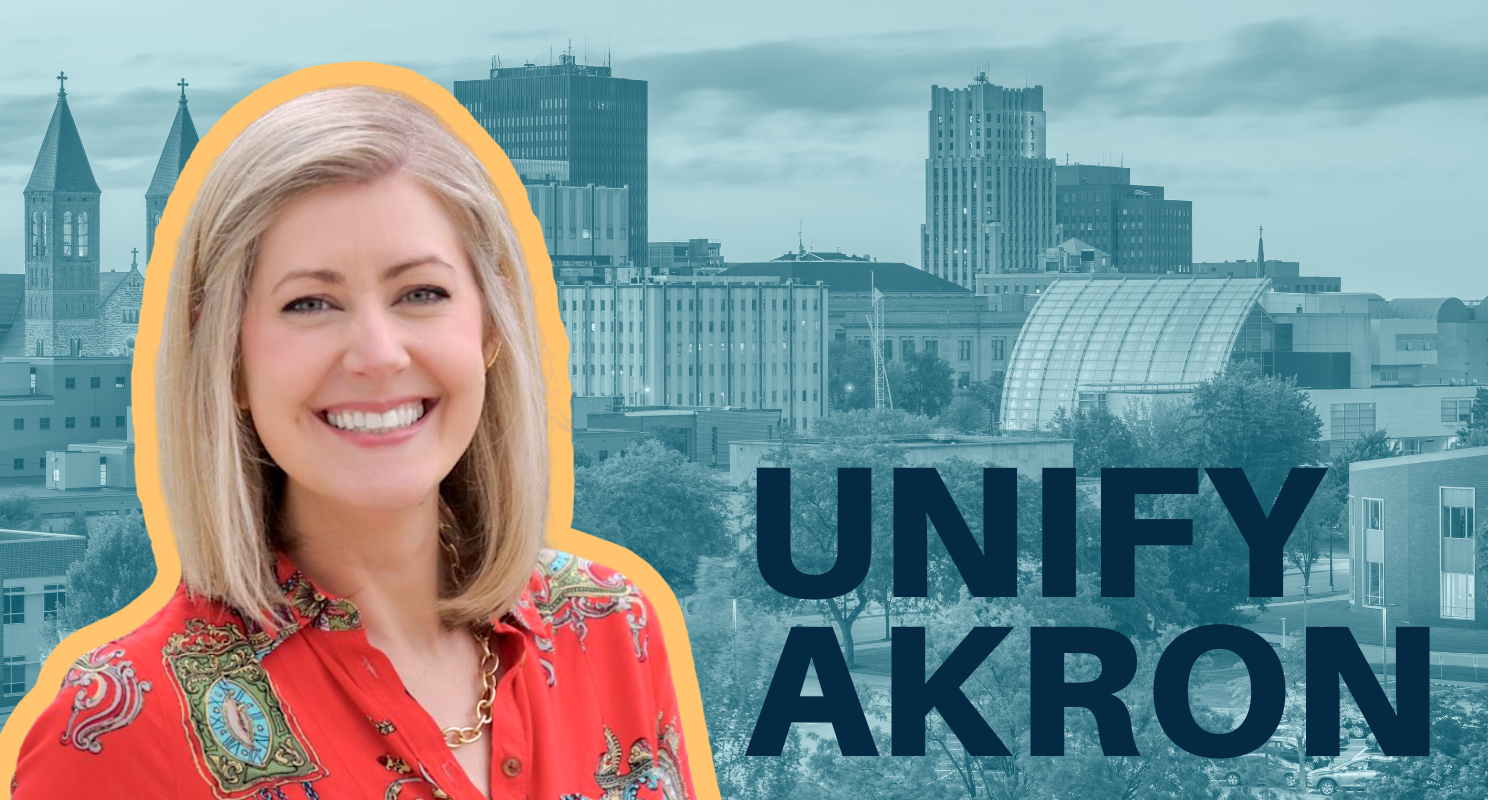
The Akron Civic Assembly on Housing is moving from concept to reality, with new partnerships, funding, and local energy taking shape.
Investing in Akron’s Story
Last week, the effort received a major boost: a $95,000 grant from the Democracy Funders Network, including $20,000 dedicated to storytelling — to help Akron residents tell their own stories about home, belonging, and community. Combined with more than $137,500 raised locally, these funds will ensure that the Assembly is led by and for Akronites, with space for every voice at the table.
Many Teams, One Mission
Over the past month, local Akron working teams have formed to bring the Assembly to life — each tackling a different piece of the puzzle, like:
- Outreach Team: Relationship builder, recruiters, and communicators ensuring Akron’s neighborhoods are represented and heard
- Research Team: Researchers and journalists finding relevant data and preparing educational background materials
- Solutions Team: Local experts representing different angles of the issues and curate info and solutions for the Assembly
- Support Team: Logistical backbone ensuring accessibility and smooth operations
- Accountability Team: Trusted local leaders ensuring fairness and transparency in a trusted process.
- Impact Team: Leaders and volunteers who support advocacy and ensure that the Assembly’s recommendations lead to real-world change
Kicking Off the Work
The Assembly teams will come together for the first time at a Kickoff Celebration on November 12, marking the official start of Akron’s journey toward collaborative problem-solving.
The very next day, November 13, the 20-person Solutions Team on Housing, featuring leaders from across the housing ecosystem, from advocates to developers, will hold its first meeting to begin charting the path ahead.
Akron’s Work Is Inspiring Others
Beyond the city, Akron’s story is already gaining attention. At the national ComNet conference in Denver, Morgan shared how Akron’s Assembly blends community building and communications to strengthen trust and civic connection, with more than 120 attendees from across the nation learning from Unify’s approach.
What’s Next
In the months ahead, these teams will shape the design of the Civic Assembly, which will convene in spring 2026. The goal: to create a space where Akron residents can learn together, deliberate together, and lead together, modeling a new kind of civic collaboration.
Akron’s Assembly isn’t just about housing. It’s about belonging, trust, and proving that communities can solve problems not by fighting over them, but by facing them together.
Enjoyed this article?
Sign up for our newsletter to join the thousands of Americans who are making a difference, and then consider sharing it.
a little bit about us

Unify America is a nonpartisan nonprofit on a mission to replace political fighting with problem-solving. We leverage technology and games to reduce political polarization and teach civic and problem-solving skills so Americans can work together to reach our shared goals. Founded in 2020 by Harry Nathan Gottlieb (founder of Jellyvision and Jackbox Games), Unify America builds interactive experiences to teach and master critical civic skills across cultural, political, racial, geographic, and religious differences.

You might also be interested in...
.png)
News & Announcements
Five Colleges Selected for First-of-its-Kind Effort to Connect Civic Learning to Workforce Readiness
A new Unify America pilot connects civic learning to the durable skills employers say new grads need.
.png)
Unify America Team
Sep 11, 2026
Sep 10, 2026

Campus & Higher Ed
Can Two Strangers Actually Have a Real Conversation About the Big Stuff?
Three students share what it's really like to talk politics with a stranger in the Civic Gym.

Layne Turci
Aug 27, 2026
Aug 27, 2026

Perspectives
American Ideals Day - A Reflection
A year of hope: from Akron's Civic Assembly to Civic Gym growth, ordinary people prove progress comes from staying in the conversation.

Harry Nathan Gottlieb
Aug 27, 2026
Jul 1, 2026


We use cookies to optimize our website and your experience with Unify America. But, like our democracy, you're in control. View our Privacy Policy for more information.

Privacy is important to us, so you have the option of disabling certain types of storage that may not be necessary for the basic functioning of the website. Blocking categories may impact your experience on the website. More information